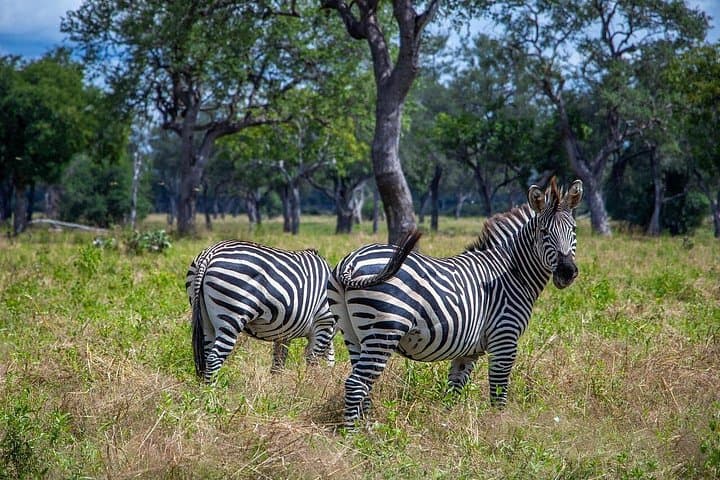
Kasanka National Park Adventures
Kasanka National Park is a compact yet biodiverse national park in Zambia, renowned for its annual bat migration and diverse ecosystems.
Popular Activities
Plan Your Visit
Everything you need to know to prepare for an unforgettable trip to Kasanka National Park.
Entrance Requirements
Entry fees are required; local community permits may also apply.
Best Time to Visit
The best time to visit is from May to November for dry season wildlife viewing and October to December for the bat migration.
Visitor Information
The main visitor center is located near the park entrance, offering guidance and information.
Getting There
Access is primarily by road, with some routes requiring 4WD, especially in the rainy season.
Weather & Climate
Kasanka experiences a subtropical climate with a dry season from May to October and a wet season from November to April. Temperatures during the dry season range from 50°F at night to 85°F in the day, while the rainy season is warmer and more humid.
Conservation Efforts
Conservation efforts focus on combating poaching, habitat loss, and maintaining the park's biodiversity, alongside initiatives involving the local community.
Camping in Kasanka National Park
Find the perfect spot to stay overnight and immerse yourself in the details.
Luwombwa Lodge
Located by the Luwombwa River, offering great views and fishing opportunities.
Pontoon Campsite
A basic campsite near the main bat roosting area, ideal for wildlife observation.
Top Trails
Bufumu Trail
Explores varied habitats with opportunities for birdwatching and wildlife spotting.
Fibwe Hide Trail
Leads to the famous Fibwe Hide for a panoramic wildlife viewing experience.
Bat Migration Trail
Best visited during the bat migration season for extraordinary wildlife activity.
Luwombwa River Walk
A leisurely stroll along the riverbanks, perfect for bird watchers and photographers.
Trailblazer Tips
Visit during late October to December to witness the bat migration.
The dry season (May to October) offers the best conditions for wildlife viewing.
Book accommodations early as the park's facilities can fill quickly during peak season.
Binoculars and a good camera are highly recommended for birdwatching and wildlife photography.